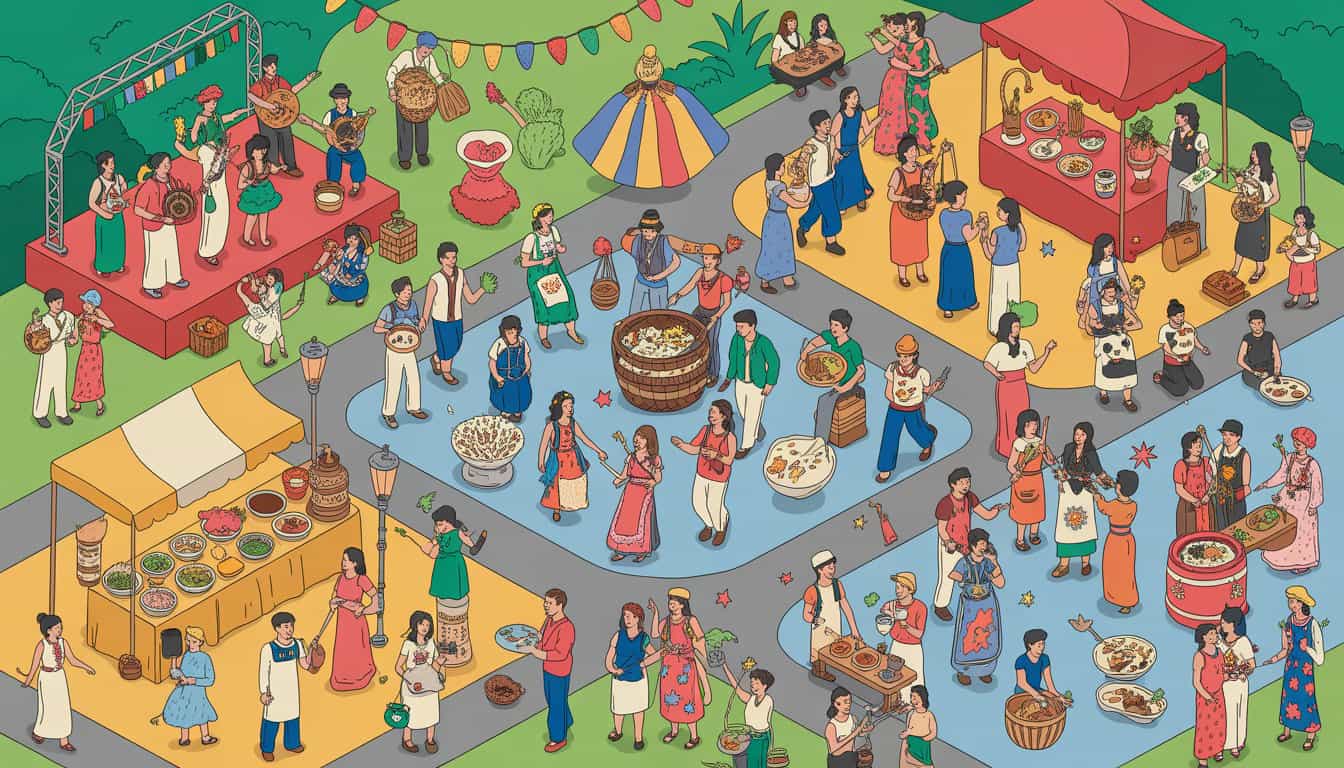
Cultural festivals offer a unique way for you to experience the traditions, art, and heritage of communities around the world. They bring people together through music, dance, food, and rituals that reflect local history and values. Attending these festivals allows you to connect deeply with different cultures while enjoying authentic celebrations.
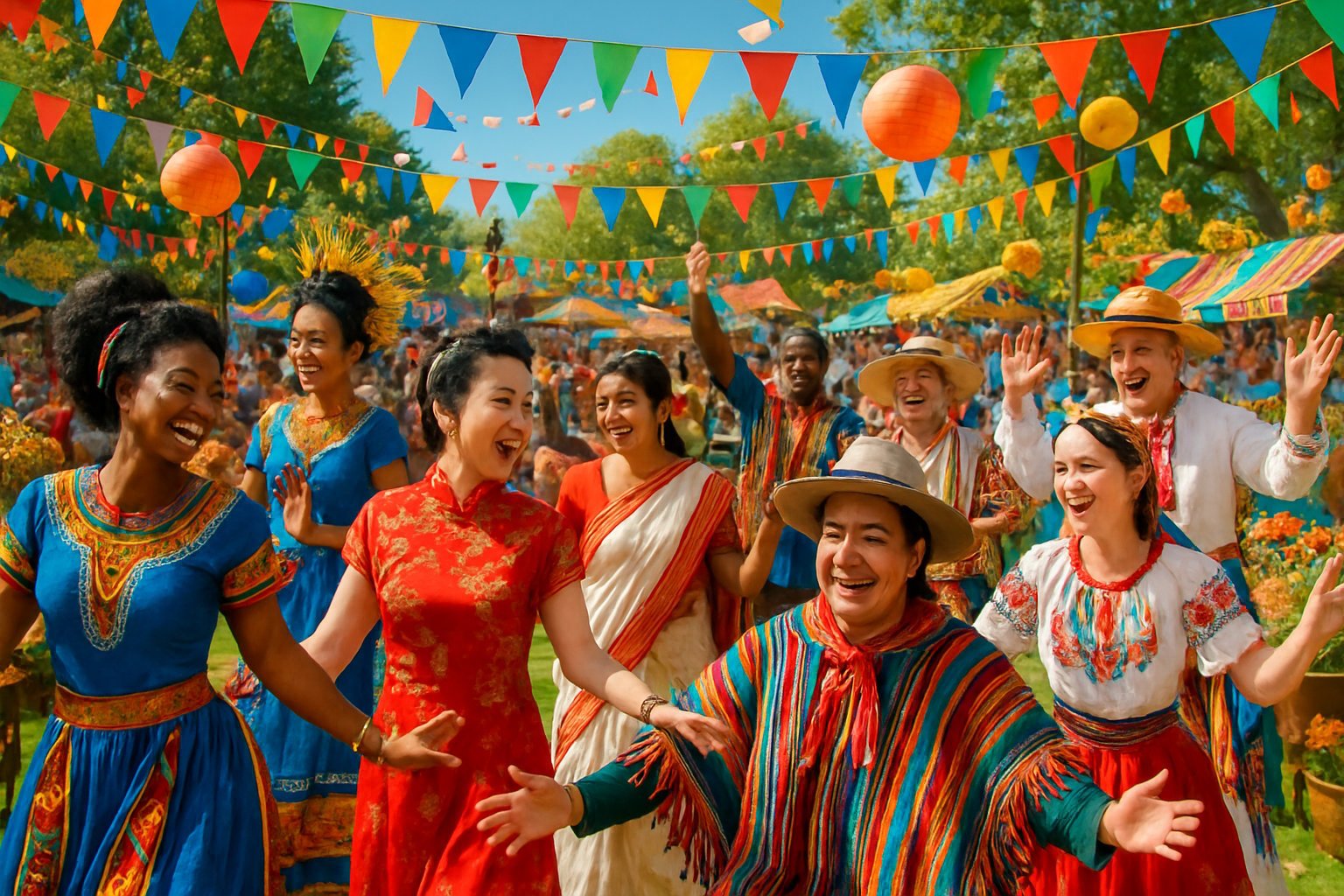
These events range from vibrant parades and colorful costumes to solemn ceremonies and traditional performances, giving you a broad spectrum of cultural expressions to explore. Whether you’re interested in large-scale city festivals or small regional gatherings, each offers insight into the identity and spirit of its people.
By attending a cultural festival, you gain firsthand understanding of customs that textbooks can’t provide. This immersive experience enriches your perspective and appreciation for diversity, making your travels or local explorations more meaningful. For specific festivals and their details, check out this guide to Madrid’s vibrant cultural festivals.
Global Cultural Festivals
Around the world, you can experience festivals that blend history, religion, and cultural identity. These events often feature traditional rituals, vibrant costumes, and communal celebrations that define the heritage of their regions.
Naadam Festival – Mongolia
Naadam is Mongolia’s largest traditional festival, celebrated every July. It centers on the “Three Manly Games”: wrestling, horse racing, and archery, showcasing the skills that have been vital to Mongolian culture for centuries.
You will find participants dressed in colorful deel robes, competing fiercely yet respectfully. The event also includes vibrant parades and cultural performances. It honors Mongolia’s nomadic heritage and fosters national pride.
Holi Festival of Colours – India
Holi occurs in March and marks the arrival of spring in India. You will enjoy throwing brightly colored powders and water at friends and strangers alike, symbolizing joy and the victory of good over evil.
The festival is rooted in Hindu mythology, celebrating divine love and the end of winter. It’s a day of forgiveness, renewal, and social harmony. Traditional sweets and music add to the festive atmosphere.
Kandy Esala Perahera – Sri Lanka
This festival, held in July or August, pays homage to the Sacred Tooth Relic of Buddha, housed in Kandy. The main event is a grand procession featuring elephants adorned in lavish garments, dancers, and drummers.
You can witness rituals blending Buddhist reverence with cultural artistry. The parade lights up the night with fire dancers and traditional music. The festival unites spiritual devotion with community celebration.
Inti Raymi – Peru
Inti Raymi, celebrated in late June, honors Inti, the Incan sun god. You can attend reenactments of ancient Inca ceremonies at Cusco’s historic sites. The event marks the winter solstice and the new year for Andean communities.
Expect elaborate costumes, offerings to the sun, and music expressing gratitude for the harvest. The festival revives Incan heritage, allowing you to connect deeply with indigenous traditions.
Saga Dawa Festival – Tibet
Saga Dawa marks the birth, enlightenment, and death of Buddha, making it Tibet’s most sacred festival. You can observe pilgrims circumambulating sacred mountains and performing charitable deeds throughout the month-long celebration.
Monks chant prayers while devotees light butter lamps and distribute food. The festival emphasizes compassion and spiritual reflection. It’s a time for you to witness Tibetan Buddhism’s profound cultural expressions.
Timket Festival – Ethiopia
Timket celebrates the Ethiopian Orthodox Epiphany in January. You’ll see vibrant processions reenacting the baptism of Jesus in the Jordan River, with participants carrying ornate, colorful tabots (replicas of the Ark of the Covenant).
The festival includes water blessings, traditional songs, and dance. It symbolizes purification and renewal, attracting thousands who gather around rivers and pools. Timket offers you a glimpse into Ethiopia’s strong religious heritage.
Jambay Lakhang Festival – Bhutan
Held annually in October at one of Bhutan’s oldest temples, this festival features sacred dances and performances meant to exorcise evil spirits. You’ll witness monks in dramatic masks enacting stories of Bhutanese mythology.
The festival includes rituals believed to cure diseases and protect the community. Its vibrant display of culture and spirituality invites you to experience Bhutanese traditions in an intimate setting.
Thimphu Tshechu Festival – Bhutan
Tshechu in Thimphu is a major Bhutanese festival held in autumn, where you can watch masked dances symbolizing Buddhist teachings. The event brings together locals and visitors for prayer, storytelling, and celebration.
Colorful costumes and sacred dances honor Guru Rinpoche, the founder of Bhutanese Buddhism. The festival lasts several days and offers you insight into Bhutan’s religious and cultural identity.
Hornbill Festival – India
Celebrated every December in Nagaland, the Hornbill Festival showcases the diverse Naga tribes through dance, music, and crafts. You’ll experience traditional sports, indigenous cuisine, and vibrant attire.
The festival promotes cultural preservation and tourism in the region. It’s named after the hornbill bird, which holds cultural significance for many tribes. Hornbill Festival provides a unique opportunity to explore Northeast India’s rich heritage.
For further information, visit the detailed festival calendar and cultural guides found at Festival Calendar 2025 – World Festivals & Global Celebrations.
Malaysian Cultural Festivals and Traditions
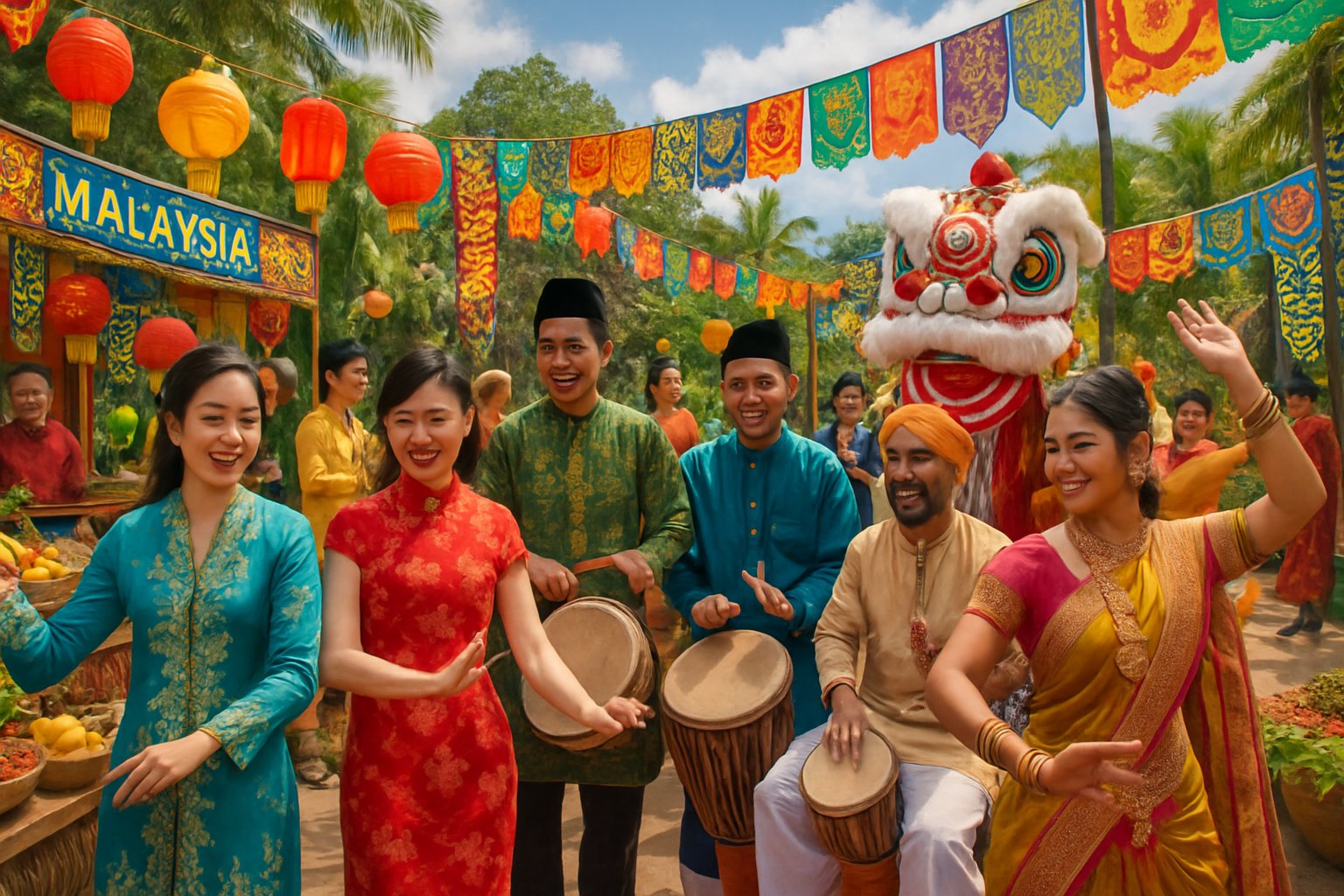
Malaysia’s festivals reflect its ethnic and religious diversity. Each celebration involves unique rituals, food, and communal activities that give you insight into the country’s cultural fabric.
Thaipusam
Thaipusam is a Hindu festival where devotees honor Lord Murugan. You will witness dramatic acts of devotion such as body piercing and carrying kavadi—ornate frameworks attached to the body.
The main event takes place at Batu Caves near Kuala Lumpur, with a pilgrimage involving thousands of participants. It symbolizes penance and gratitude, and the atmosphere is intense yet deeply spiritual.
Chinese New Year
Chinese New Year marks the beginning of the lunar calendar and is observed with great enthusiasm in Malaysia. You can expect vibrant lion and dragon dances, fireworks, and family reunions.
Red decorations and exchange of ang pow (red envelopes) symbolize good fortune. Streets and homes are adorned with lanterns, and traditional foods like nian gao (rice cake) are shared.
Hari Raya Aidil Fitri / Eid al-Fitr
Hari Raya Aidil Fitri celebrates the end of Ramadan for Muslims. After a month of fasting, you join joyous prayers, feasting, and visits to family and friends.
You will savor traditional ketupat (rice packed in woven palm leaves) and rendang (spiced meat stew). Homes are decorated with oil lamps, and forgiveness is a key theme during gatherings.
Hari Raya Haji / Eid al-Adha
Hari Raya Haji commemorates the willingness of Ibrahim to sacrifice his son and marks the culmination of the Hajj pilgrimage. You can witness animal sacrifices done with respect and shared within the community.
It is a time for charity, with meat distributed to the poor. Prayers at mosques and family visits strengthen communal bonds.
Deepavali / Diwali
Deepavali, also known as the Festival of Lights, celebrates the victory of light over darkness. You will see homes brightly lit with oil lamps called diyas and colorful rangoli patterns.
Exchanging sweets and gifts is common, as are prayers to goddess Lakshmi for prosperity. The festival promotes warmth and goodwill among family and community.
Wesak
Wesak commemorates the birth, enlightenment, and death of Buddha. You will attend temple ceremonies where monks chant and devotees offer flowers and candles.
Processions with Buddha statues and acts of charity are significant. The festival is marked by calm reflection, meditation, and promoting peace.
Sarawak Gawai Festival
Gawai is a harvest festival celebrated by the Dayak people in Sarawak. You join rituals thanking the gods for a bountiful rice harvest.
Traditional music, dance, and feasting are central. You can taste tuak, a local rice wine, and admire intricate costumes. The event reinforces community ties and cultural identity.
Malaysia Water Festival
This festival, also known as the rice harvest celebration, is linked to the paddy planting season. You get involved in water-based activities and traditional ceremonies.
The event expresses gratitude for water’s life-giving force and the success of crops. It combines entertainment with cultural rituals.
Tadau Ka’amatan Harvest Festival
Celebrated in Sabah, Tadau Ka’amatan honors the rice harvest and the rice spirit, Bambaazon. You have the chance to experience traditional dances, music, and rituals.
You will witness the magavau ceremony performed by the priestess or Bobohizan. The festival is a vibrant expression of indigenous culture and gratitude.
Christmas
Christmas in Malaysia is marked by festive decorations, church services, and family gatherings. You can enjoy a mix of Western traditions and local customs.
Shopping malls and public spaces are brightly lit, and special meals are prepared. It is a public holiday that underscores Malaysia’s religious tolerance.
Mooncake Festival & Hungry Ghost Festival
The Mooncake Festival celebrates the full moon and unity within Chinese communities. You will enjoy mooncakes and lantern displays.
The Hungry Ghost Festival, held on the 7th lunar month, involves offerings to appease wandering spirits. You observe rituals like burning paper money and street opera performances.
Dragon Boat Festival
This festival honors the poet Qu Yuan and features boat races on rivers. You can watch the colorful dragon boats and eat zongzi, sticky rice dumplings wrapped in bamboo leaves.
It promotes teamwork and cultural heritage, often accompanied by traditional music and ceremonies.
For more on Malaysia’s vibrant celebrations, explore 10 Best Cultural Festivals & Celebrations in Malaysia and 14 Top Festivals In Malaysia You Ought To Witness In 2025.
Cultural Festival Insights and FAQs
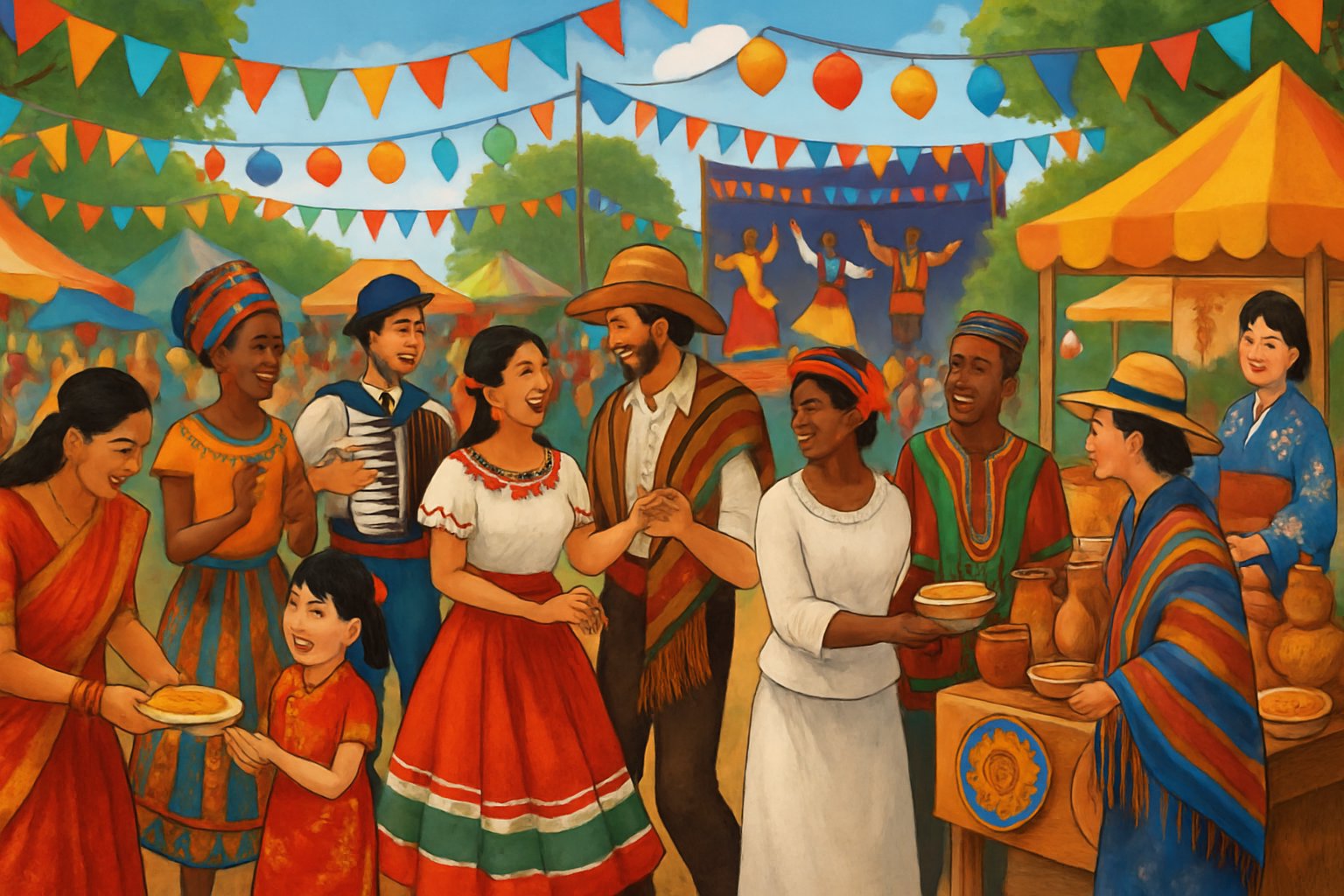
Understanding how cultural festivals affect daily life, travel, and participation can help you plan better if you are living or visiting Malaysia. Festivals often influence services and campus activities, and knowing where to find accurate event information is essential.
Do festivals in Malaysia impact travel or other services?
Yes, major festivals in Malaysia such as Hari Raya Aidilfitri, Chinese New Year, and Deepavali can significantly impact travel and public services. Roads may be congested near celebration sites, and public transport often has altered schedules.
Airlines and buses may experience higher demand, so booking early is advisable. Some government offices and businesses close or reduce hours during public holidays linked to these festivals.
You should expect longer wait times at airports, train stations, and bus terminals during peak festival periods. Advance planning is essential if you intend to travel or access any services during these times.
Can international students participate in Malaysian festivals and cultural events?
International students staying in Malaysia are generally welcome to join cultural festivals and events. These celebrations offer hands-on experience of local customs, food, and traditions, which can enrich your cultural understanding.
Many festivals have public components such as parades, open houses, and communal meals that encourage interaction. Attending these can help you connect with locals and other students.
It is respectful to learn about the significance of each festival before participating. Venues and universities often provide guidance to make sure you engage appropriately and safely.
Does UNM organise events to celebrate festivals in Malaysia?
Yes, the University of Nottingham Malaysia (UNM) actively organizes events to celebrate major Malaysian cultural festivals. These events include cultural performances, workshops, and dinners showcasing Malaysian heritage.
UNM promotes inclusivity by highlighting the diverse communities within Malaysia, such as Malay, Chinese, Indian, and indigenous cultures. This helps students from various backgrounds appreciate local traditions.
Such activities are typically open to the student body and staff, providing opportunities to learn and participate conveniently on campus. Check the university’s event calendar regularly for updates.
Where to find specific festival dates and events in Malaysia?
You can find accurate festival dates and event details from official government tourism websites and local cultural organizations. These sources provide up-to-date information on national and regional celebrations.
Popular online platforms like Malaysia’s Tourism Promotion Board or the Ministry of Tourism offer comprehensive event calendars. Social media pages of major festivals also announce dates and program highlights.
If you are enrolled at a university like UNM, campus portals and student services often list relevant festival dates and related cultural activities. Bookmark these resources for regular reference.
Will on-campus accommodation and F&B outlets be open during festival public holidays?
Typically, on-campus accommodation like dormitories remains open during festival public holidays, but certain services might be limited. However, you should confirm with your residence office in advance.
Food and beverage outlets on campus may operate on reduced hours or close during the main public holidays tied to festivals. Some eateries may also offer special festival menus when open.
Planning alternative dining options or grocery shopping ahead of festival holidays is advisable. University notifications usually inform you of any changes in service hours well before the events occur.
About The Author